Spinning Like a Leaf: Listening Between Knowing and Unknowing in Times of Transition
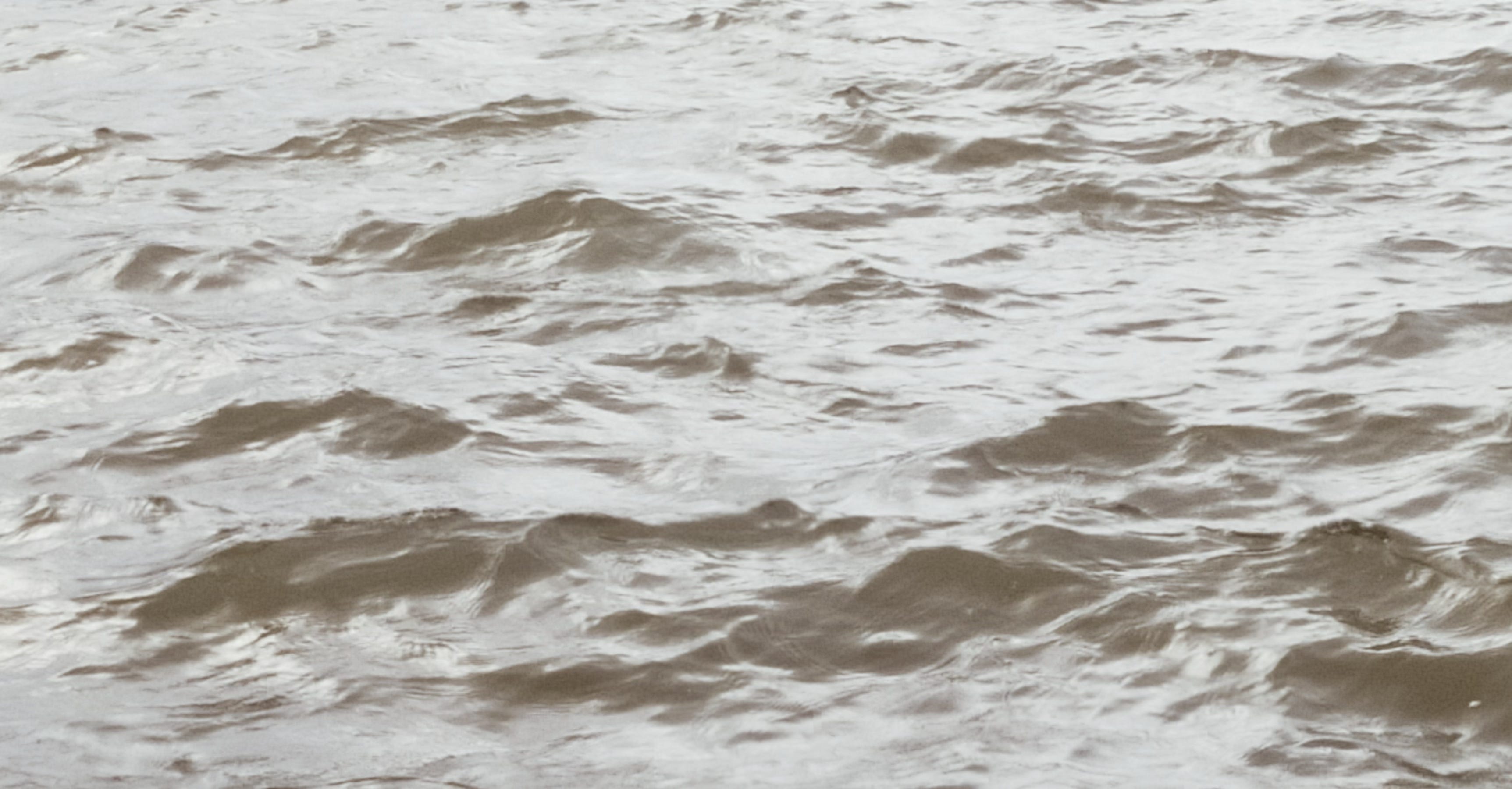
and responding to the river like Odysseus did.

I’ve dreaded writing lately.
Still, I’ve scribbled random thoughts on napkins, Post-its, even in the margins of books. The looser my ideas are, the more I’m intrigued not to piece them together. It isn’t procrastination, I’m simply feeling into the waves of a new tide.
There’s a part of me that wants to write differently, though I’m not sure how. That part of me is like leaves turning crimson red as summer shifts into autumn—longing for a new color, a new weight, perhaps even a crispness.
A few days ago, I savored a sweet moment: the sight of a single leaf falling, spinning, and landing softly on a river. My eyes, my breath, and my whole body followed its dance with quiet focus. I felt a gentle pull in my belly as it touched the water.
Though I dislike the noise and pace of city life, I find calmness in certain corners. The contrast between chaos and stillness has its own kind of beauty—odd, out of sync, like Dutch people in thick winter jackets and short jeans on a late summer night. Another kind of beauty.
I opened the book my friend sent me. She was sure I’d resonate with it. An estranged mother and daughter in New York. She knows my stories well. I skimmed the reviews and imagined what might be written about my own book, if I ever wrote one. What would it be about?
I’ve had a few beginnings—like distant sounds from the woods before a sudden swarm of birds rises, wings flapping in all directions. On a sturdy napkin from a fancy restaurant, I quickly jotted down:
Conscious femininity,
Mother Earth,
Chakra healing,
Ancestral connection,
Language—
Each pointing back to the body.
I felt excited to have named my path, yet confused about how to share it in my own way. I fear being too theoretical, too dry. But writing purely from personal experience feels too wet, too thin. I’ve never been good at baking, but somehow this writing process feels like it needs a certain ratio of accuracy to creativity. At least, that’s what my mind tells me. It scares me off, trying to stop me before I even begin.
Will I let it?
I won’t. Definitely not.
Here’s something funny I’ve learned about myself: I’m as stubborn as an ox. The unknowing actually excites me. So, in this state of confusion and wonder, I begin again, with the intention to explore the textures, shapes, colors, and vibrations of the themes I scribbled on those napkins.
Their voices call to me, individually and as a chorus, asking to be brought back. I can hear their echoes circulating through the valley.
I picked up the book again. It's my habit—read a little, pause, do something else, then return. As I became drawn into the dialogue between mother and daughter, I imagined what it might be like to talk to my own mother, about her life and mine.
The last time she visited, I asked gently what I was like as a child. “Annoying,” she blurted out. A whirlwind then, now dissipated like incense smoke. Yet I can still smell the coldness in her tone. When I later read the line in the book: “Mothers are supposed to protect their children,” my stomach tightened. I shut the book.
I wonder: What if our thorny relationships with our mothers (and if you deeply love yours—good on you!) are what alienate us from Mother Earth? Or could it be the other way around?
I remembered all those days I longed for my mother’s responsiveness. But she would walk away, or change the topic. I ended up turning inward, drowning in self-pity. It was the connection to the Earth that whispered to me:
You are loved.
I am here.
Trust me.
In The Spell of the Sensuous, David Abram writes:
“When Odysseus, half-drowned by Poseidon’s wrath and nearly dashed to pieces on the rocky coast of Phaiakia, spies the mouth of a calm river between the cliffs, he prays directly to the spirit of that river to have mercy and offer him shelter— and straight away the tide shifts, and the river draws him into safety. Here, then, is a land that is everywhere alive and awake, animated by a multitude of capricious but willful forces, at times vengeful and at other times tender, yet always in some sense responsive to human situations. The diverse forms of the earth still speak and offer guidance to humankind, albeit in gestures that we cannot always directly understand.”
How do we notice the mercy of a calm river?
What gestures might our bodies make in response?
I feel I’m getting somewhere, though I don't know where. I am determined, yet blindfolded. Caught in the thinning smoke of old memories and the quiet, steady pull of my inner voice, all at once.
A beautiful tapestry of daily life with myself and the work I’m meant to do.
So here I am: spinning, spinning, spinning. A little dizzy, and still spinning.